Sensory Play for Babies and Toddlers: A New Mom’s Survival Guide
If you are running on broken sleep and wondering how to fill the long stretch between breakfast and nap, sensory play for babies and toddlers is your secret weapon — and you do not have to do it all at home.
Key Takeaways
- Sensory play supports brain development, language, and motor skills in babies and toddlers from the earliest months.
- Getting out of the house, even for an hour, is good for your little one and good for your mental health.
- The Sand Place is a fully indoor, climate-controlled playground for ages 0-12 with a clean, silica-free sandbox safe for the littlest hands.
- Membership is $60/month for unlimited all-day play with no blackout dates — and it pays for itself after three visits.
- Find it at 16677 E. Smoky Hill Rd., Aurora, CO 80015. Call (303) 942-1014 with any questions.
- You do not need fancy equipment or a perfect plan — simple, safe, hands-on play is more than enough.
What Sensory Play Actually Is (No Pinterest Required)
First, a deep breath. If you have been scrolling perfect color-coded sensory bins at midnight and feeling like you are already behind, let me reassure you: sensory play for babies and toddlers is far simpler than the internet makes it look.
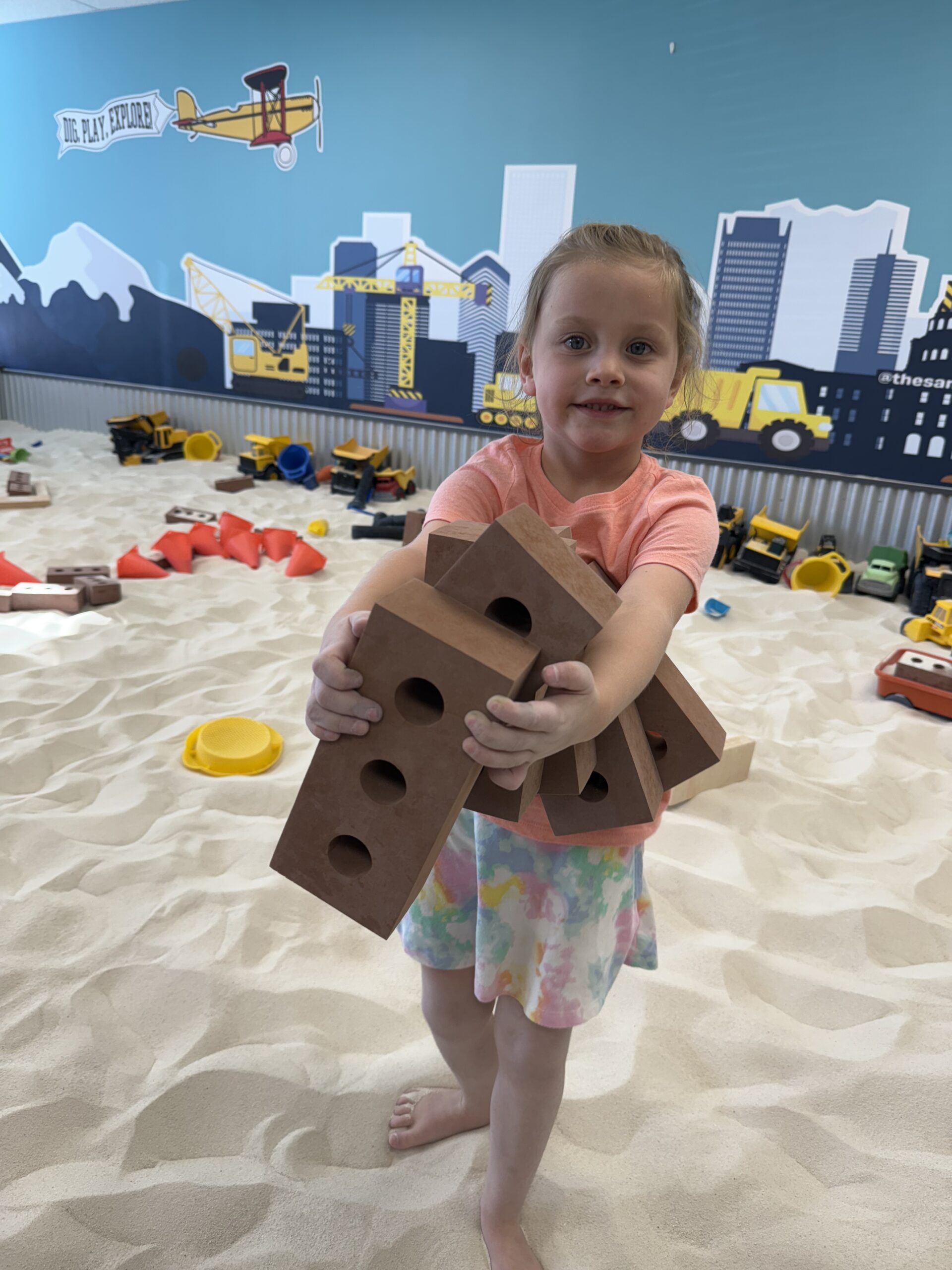
Sensory play is just any play that engages your child’s senses — touch, sight, sound, movement. Squishing, scooping, pouring, feeling different textures. That is it. A baby running their fingers through soft sand is doing meaningful developmental work, and you did not have to laminate anything to make it happen.
So please let go of the idea that it has to be elaborate or photogenic. The messy, ordinary version is the version that counts. Your little one’s brain does not know the difference, and frankly, neither will anyone else.
Why It Helps Your Baby and Your Sanity
Here is the part that makes the effort worth it on the days you are scraping the bottom of your energy. Sensory play for babies and toddlers is not just busywork — it is some of the most important learning your child will do in these early years.
It Builds the Brain
In the first few years, a child’s brain is forming connections at a staggering pace, and sensory experiences are the raw material. Feeling textures, watching sand fall, and using little hands to scoop all help wire the brain for language, problem-solving, and motor control down the road.
It Builds Little Muscles
All that scooping, grabbing, and pouring strengthens the small hand muscles your child will eventually use to hold a crayon and, years from now, a pencil. Big movements — reaching, crawling toward a bucket, pulling to stand — build the larger muscles and balance, too.
It Calms Everyone Down
Here is the part no one tells you: sensory play is regulating. A fussy, overstimulated baby often settles beautifully with a calm, hands-on activity. And a baby who is happily absorbed is a baby who gives you ten quiet minutes to drink your coffee while it is still warm. That counts as a win.
Why Getting Out of the House Matters
Can we be honest about the four walls of your home? Some days they close in. The newborn and toddler stage can be isolating, and “just stay home where it is easy” slowly turns into a kind of trap.
Getting out, even for a single hour, resets something for both of you. Your baby gets new sights, sounds, and a change of scenery. You get to be a person in the world again, maybe even chat with another adult. That matters. Your well-being is not a luxury here — it is part of how you keep showing up.
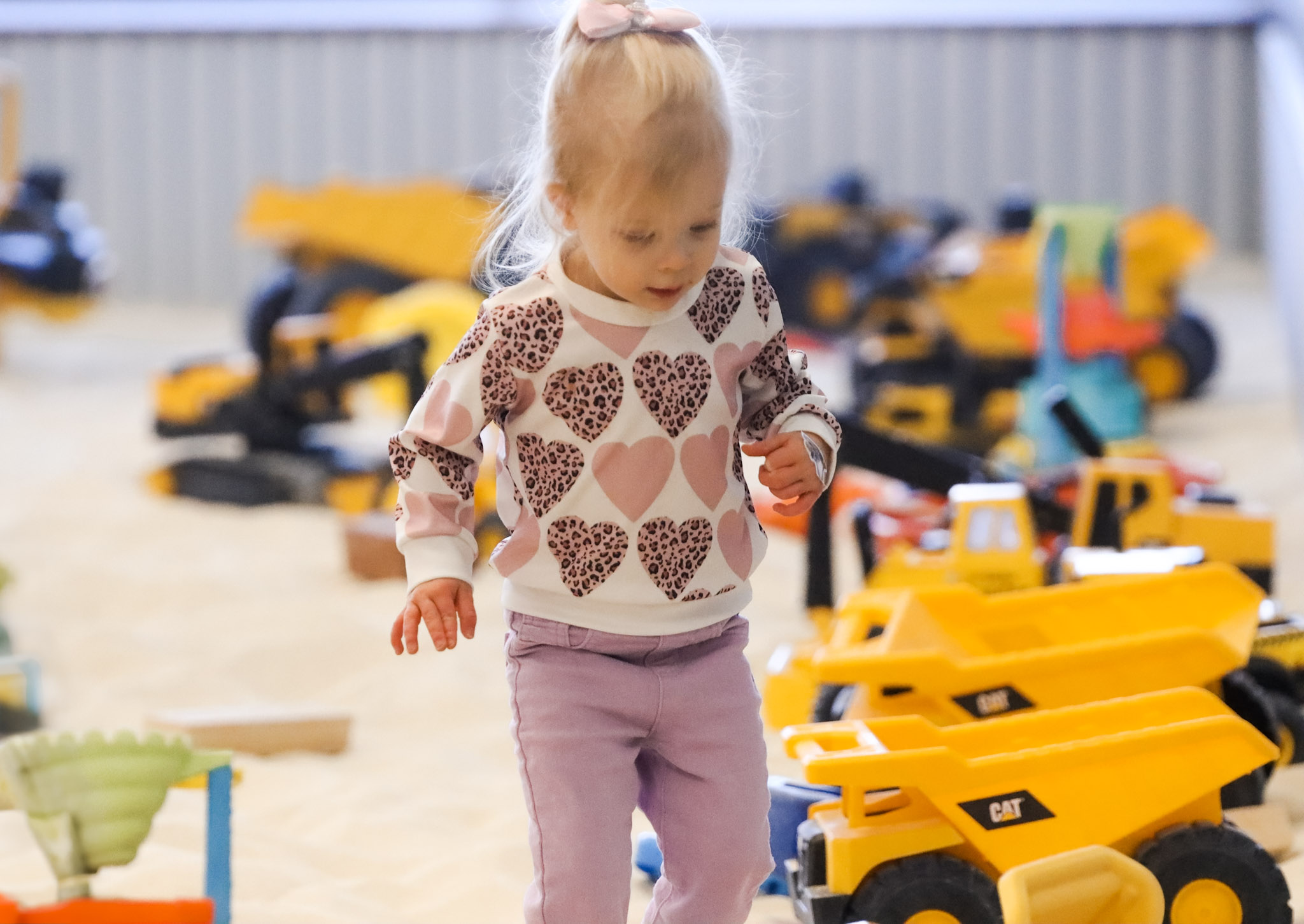
The trick is finding somewhere that is genuinely easy with a little one — safe, indoors, and forgiving of the fact that your visit might end abruptly when nap time calls. That is where an indoor sandbox built for ages 0 to 12 becomes a new mom’s best friend.
A Soft Landing for You and Your Little One
The Sand Place is designed to make getting out of the house actually doable. It is calm, clean, climate-controlled, and welcoming to the very youngest visitors and their tired, wonderful parents.
- Silica-free sandbox – clean, soft sand that is safe for the littlest hands
- Fully indoor and climate-controlled – comfortable in any Colorado weather
- Ages 0-12 – room for the baby now and the big-kid years ahead
- All-day, in-and-out admission – stay as long as it works and still beat nap time
Bringing a Baby or Toddler to The Sand Place
Wondering if your little one is too young? They are almost certainly not. The Sand Place welcomes children from age 0, and the sandbox is one of the gentlest first “big outings” you can choose.
For the Tiniest Ones
Even a baby who is not yet walking can sit in the soft sand, feel the texture, and watch the wonderful chaos of older kids and diggers around them. The sand is silica-free and made for indoor play, so it is gentle and clean. You stay right there beside them the whole time.
For New Walkers and Toddlers
Once your little one is cruising or toddling, the sandbox opens up. Scooping, dumping, filling buckets, and pushing small trucks are endlessly satisfying at this age and burn just enough energy to help the next nap go a little smoother.
What to Bring
Keep it simple: a change of clothes, a water bottle or sippy cup, and any snacks your routine needs. Comfortable clothes your child can move in are perfect. The FAQ page covers everything else parents usually ask before a first visit.
Easy Sensory Play You Can Do at Home
On the days you truly cannot leave, here are no-fuss ideas that deliver real sensory benefits with whatever you already have.
The Texture Basket
Gather a few safe household items with different textures — a soft cloth, a smooth wooden spoon, a crinkly paper. Let your baby explore them under your watchful eye. Simple, free, and surprisingly absorbing for little hands and brains.
The Pour-and-Dump Station
For toddlers, a few cups and a big bowl of dry oats or pasta on a towel buys you a solid stretch of focused play. Pouring and dumping never gets old at this age. It is the home preview of why a sandbox is such a hit.
Water Play in the Sink
Pull a chair to the kitchen sink, roll up the sleeves, and let your toddler splash with a few cups and a sponge. Warm water is calming, and the cleanup is built right in. A classic for a reason.
Frequently Asked Questions
When can babies start sensory play?
From the very beginning. Even newborns engage their senses through touch, sound, and sight, and you can offer gentle sensory experiences in the first months. At The Sand Place, babies from age 0 can sit in the soft, silica-free sand beside you and explore the texture at their own pace.
Is the sand safe for babies who put things in their mouths?
The Sand Place uses clean, silica-free sand made specifically for indoor play, and the space is supervised. As with any sensory activity, stay close and supervise your little one directly. The environment is designed to be a safe, gentle first sensory experience for the youngest visitors.
Is The Sand Place too overwhelming for a baby?
Most babies do beautifully. There is happy activity around them, but you control the experience — sit in a calm corner of the sandbox, keep your visit short, and follow your baby’s cues. All-day, in-and-out admission makes it easy to come for just as long as your little one is enjoying it.
How much does it cost?
Drop-in play is available at standard admission rates, and a $60/month membership covers unlimited all-day play with no blackout dates. For new parents looking for a regular outing, the membership pays for itself after about three visits. See the memberships page for details.
Can I come if I have a baby and an older child?
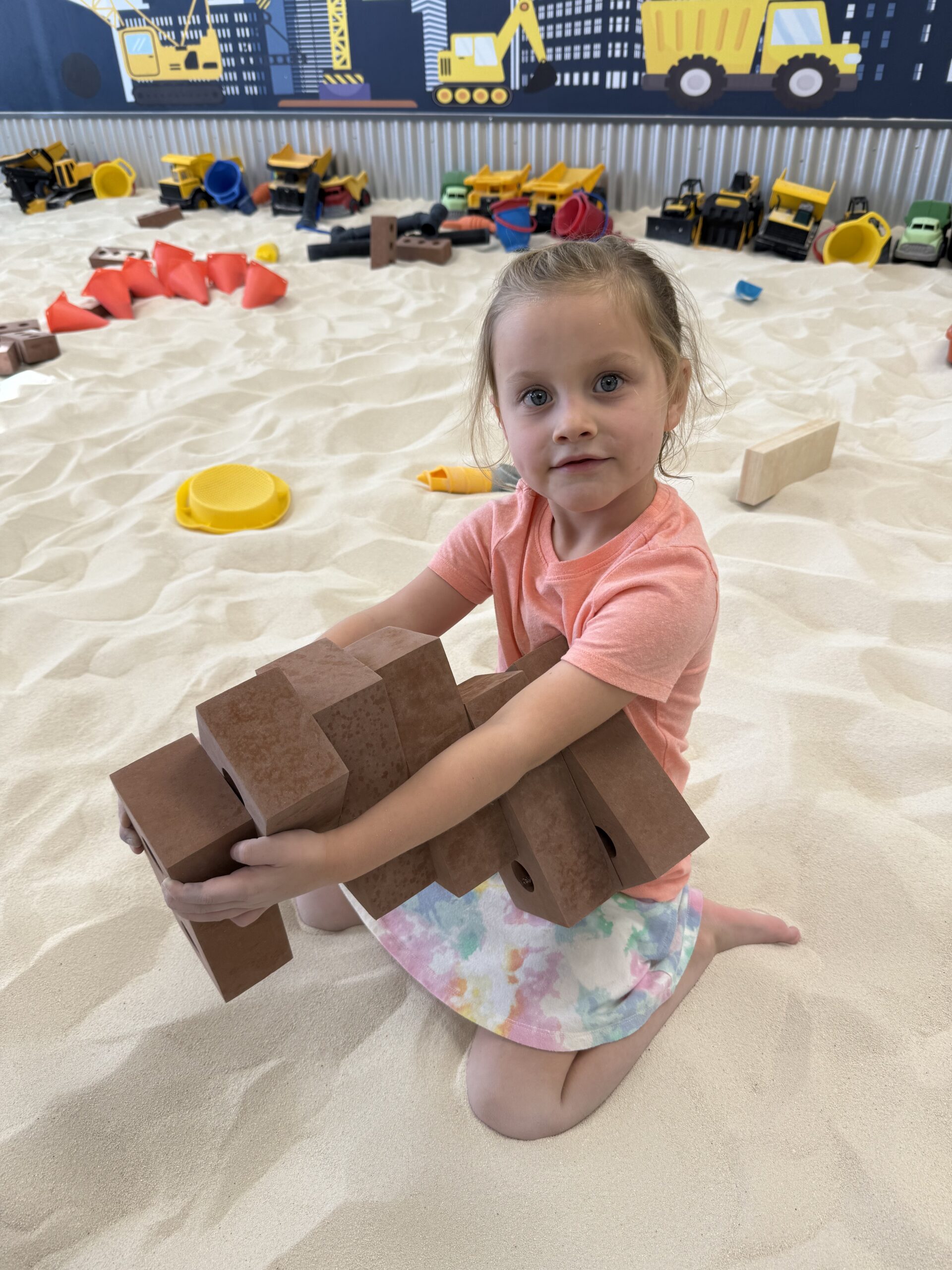
Absolutely, and many parents do. The Sand Place is built for ages 0 to 12, so your baby can explore the soft sand while an older sibling takes on the ride-on excavators and bigger builds. One stop keeps both of them happy, which is a real gift on a solo-parenting day.
Where is The Sand Place located?
The Sand Place is at 16677 E. Smoky Hill Rd., Aurora, CO 80015 — an easy drive from Aurora, Parker, Centennial, Highlands Ranch, and the wider Denver metro area, with convenient parking that makes loading and unloading a stroller simple.
You Are Doing Better Than You Think
If no one has told you today: you are doing a wonderful job. Sensory play for babies and toddlers does not require a perfect setup or a perfect parent — just a willingness to let little hands explore, and the grace to keep it simple.
Some days that looks like a bowl of oats on the kitchen floor. Some days it looks like an hour at a giant indoor sandbox where your little one digs in soft sand and you finally get to sit down. Both count. Both matter.
When you are ready for that easy outing, The Sand Place is at 16677 E. Smoky Hill Rd., Aurora, CO 80015. Come as you are, leave whenever you need to, and let the sand do the rest.
More simple, low-pressure ideas for these early years live in our Parenting Hacks & Playtime Inspiration archive.