Sensory-Friendly Play in Aurora: A Calmer Place for Sensitive Kids
For families of children with sensory sensitivities, the right environment changes everything. Sensory-friendly play gives kids the regulating input they crave in a setting that does not overwhelm them.
Key Takeaways
- Sensory-friendly play offers calming, regulating input for children with autism, SPD, and other sensory sensitivities.
- Tactile play with sand is a well-known tool for self-regulation and fine motor development.
- The Sand Place offers a clean, silica-free sandbox and quieter private play options in a fully indoor, climate-controlled space for ages 0-12.
- Membership is $60/month for unlimited all-day play with no blackout dates, and it pays for itself after three visits.
- Located at 16677 E. Smoky Hill Rd., Aurora, CO 80015. Call (303) 942-1014 to ask about quieter session times.
- The best sensory environments let a child set the pace and retreat when they need to.
What “Sensory-Friendly” Really Means
The phrase gets used a lot, so it is worth defining clearly. A sensory-friendly environment is one designed to respect how a child takes in the world — managing the volume, the crowds, the lighting, and the pace so a sensitive nervous system is not pushed past its limit.
For many children with autism, sensory processing differences, or anxiety, a typical busy play space is simply too much: too loud, too bright, too unpredictable. The result is overwhelm, not fun. A sensory-friendly approach removes those barriers so the child can actually engage and enjoy themselves.
Importantly, sensory-friendly does not mean understimulating. Many of these same children actively seek certain kinds of input — deep pressure, repetitive motion, rich textures. The goal is the right input in the right amount, with an easy off-ramp when they have had enough.
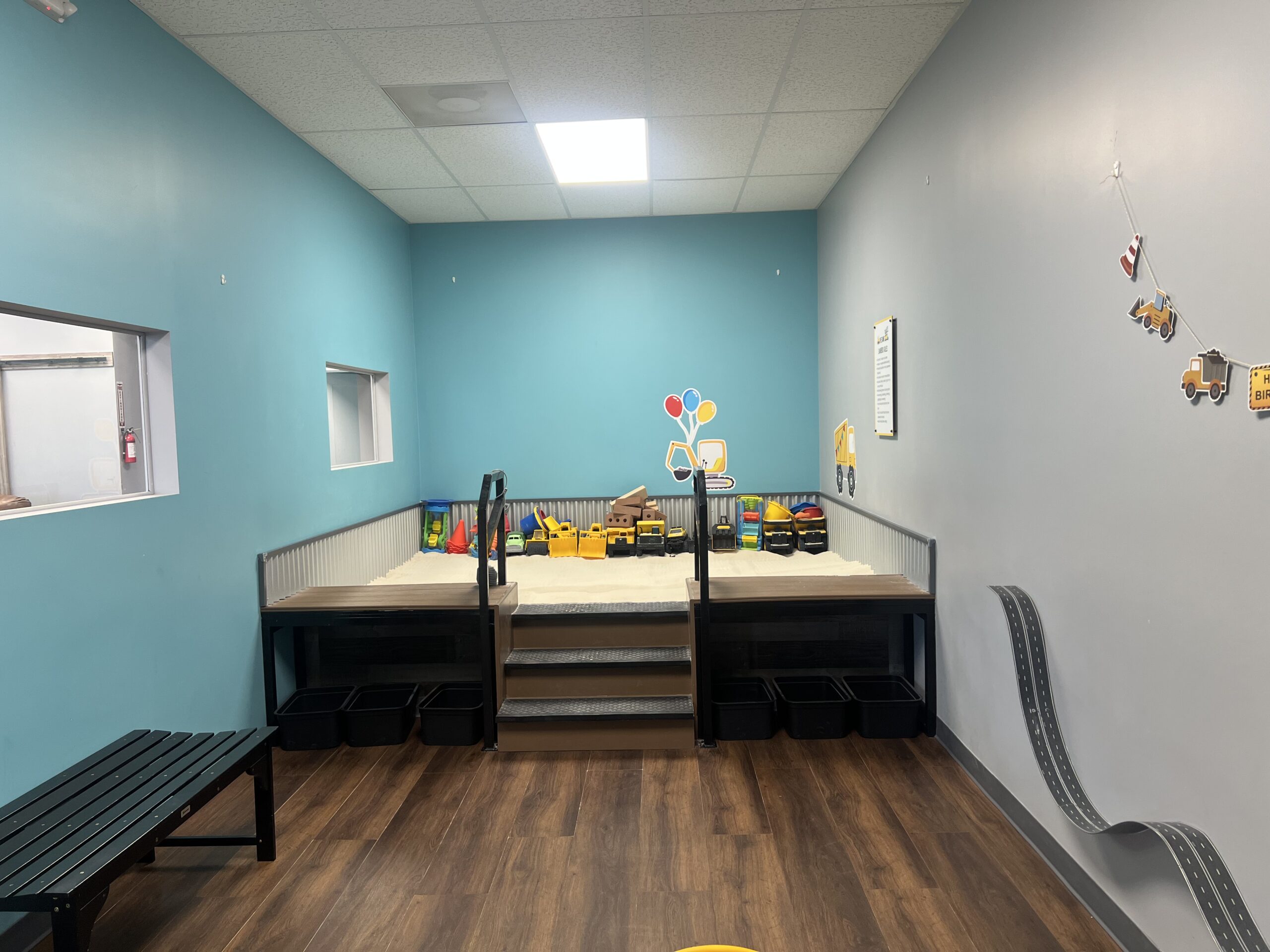
Why Sand Is Such a Powerful Sensory Tool
Therapists and educators have long reached for sand and other tactile materials, and for good reason. Running hands through sand provides steady, predictable tactile input that many children find deeply organizing and calming.
Regulation Through the Hands
The repetitive, rhythmic actions of scooping, sifting, and pouring can help a dysregulated child settle. This kind of sensory-friendly tactile play offers a quiet, non-verbal way to self-soothe — no instructions, no pressure, just the steady feedback of the material in their hands.
Fine Motor and Body Awareness
Beyond regulation, sand play strengthens the small muscles of the hands and builds body awareness as a child pushes, digs, and lifts. For kids working on motor planning, the open-ended nature of a sandbox is a gentle, low-stakes place to practice.
Open-Ended and Pressure-Free
There is no wrong way to play in sand. That matters enormously for a child who experiences a lot of correction and difficulty elsewhere in their day. The sandbox simply accepts whatever they bring to it, which can be a profound relief.
What to Look For in a Sensory-Friendly Space
Not every play space suits a sensitive child. When you are evaluating an option, a few features make a real difference.
- Manageable noise and crowds — quieter times or smaller, private spaces help enormously
- A predictable layout — a clear, consistent environment reduces anxiety
- Rich but controllable input — materials like sand that the child can engage with at their own intensity
- An easy retreat — somewhere calm to step back when input becomes too much
- Understanding staff — people who will not rush or judge a child who needs a break
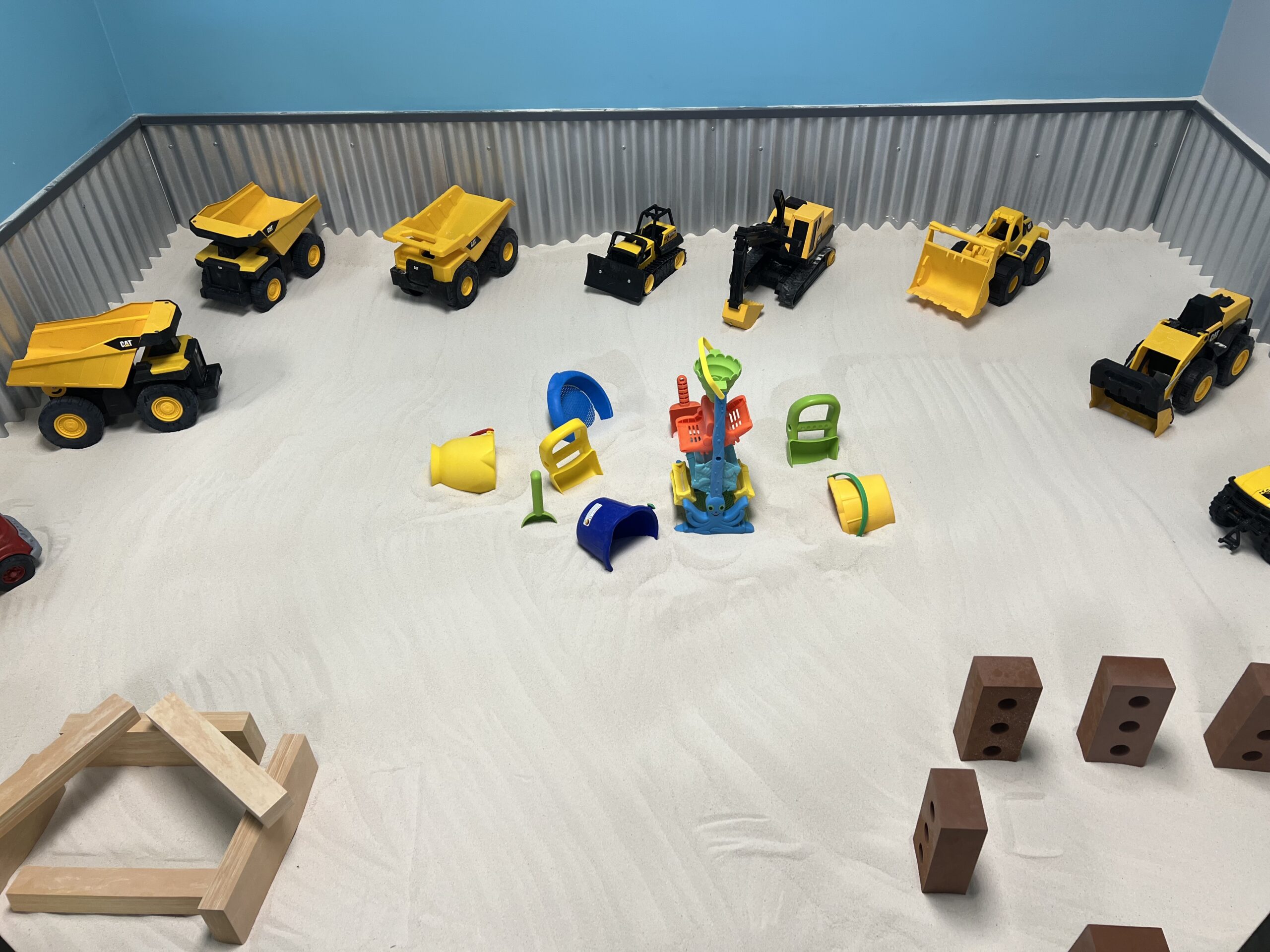
Is there somewhere for a toddler with autism or sensory sensitivities to play in Aurora?
Yes. The Sand Place in Aurora offers Private Play: $100 for a 60-minute exclusive session for up to 4 children plus caregivers, with adjustable lighting and sound, a pre-session email consultation, trained staff, and a quiet break space. Sessions run mainly Tuesday–Friday 9 AM–1 PM; book a week ahead. No diagnosis is required.
The Sand Place was built around exactly the kind of tactile, open-ended play that supports sensitive kids. The oversized, silica-free sandbox is the centerpiece, and the fully indoor, climate-controlled space keeps the environment steady and predictable year-round.
For families who need a quieter experience, it is worth asking about lower-traffic times and private play options. A calmer window — fewer children, less noise — can be the difference between a child who melts down and a child who blossoms. Call ahead at (303) 942-1014 to talk through what would work best for your family.
Tactile Play That Meets Kids Where They Are
The Sand Place offers the regulating, hands-on sensory input many children seek, in a clean and predictable indoor setting for ages 0 to 12. It is a place where sensitive kids can play on their own terms.
- Silica-free sandbox – clean, consistent tactile input that is gentle on skin
- Fully indoor and climate-controlled – a steady, predictable environment
- Quieter time and private play options – ask about lower-traffic sessions
- Open-ended, pressure-free play – no rules, no wrong way, no rush
Tips for a Successful First Visit
A little preparation goes a long way toward a calm, positive first experience. These strategies come straight from what works for sensory-sensitive children. Our first-visit guide covers what to bring and the quietest times to come.
Prepare Ahead With a Visual
Show your child a photo of the space before you go, and walk through what will happen in simple steps. Predictability lowers anxiety. Knowing what to expect lets a sensitive child arrive ready rather than on guard.
Go at a Quieter Time
If you can, choose a lower-traffic window for the first visit. A calmer room makes the new environment far easier to take in, and your child can build positive associations before trying a busier day later on.
Bring Comfort Items and an Exit Plan
Headphones, a favorite fidget, or a comfort object can help your child stay regulated. And give yourself full permission to leave early. A short, successful visit builds confidence for the next one — there is no prize for toughing it out.
Follow Their Lead
Let your child set the pace and the pattern. If they want to sift the same handful of sand for twenty minutes, that is wonderful. The benefits come from them engaging in the way their body needs, not from doing it “right.” A membership can help here, too — repeat visits let a child grow comfortable with a familiar place over time.
Frequently Asked Questions
Is The Sand Place good for children with autism or sensory sensitivities?
Many families of sensory-sensitive children find the tactile, open-ended sand play regulating and calming. The fully indoor, climate-controlled space is predictable, and quieter times or private play options are available. Call (303) 942-1014 to discuss what setup would work best for your child.
Can we visit at a quieter, less crowded time?
Yes. Lower-traffic windows and private play options can make a big difference for a sensitive child. The best approach is to call ahead at (303) 942-1014 and ask about quieter session times, so you can plan a first visit that feels calm and manageable.
Why is sand play helpful for sensory processing?
The steady, repetitive tactile input of scooping and sifting sand is organizing and calming for many children, and it supports fine motor skills and body awareness. Because there is no wrong way to play, the sandbox is a low-pressure place for a sensitive child to engage at their own intensity.
Is the sand safe for sensitive skin and lungs?
The Sand Place uses clean, silica-free sand made specifically for indoor play. Silica-free sand avoids the fine dust associated with traditional play sand, making it a gentler choice for children who are sensitive to texture, dust, or irritation. The space is supervised and kept clean.
What ages can attend?
The Sand Place welcomes children ages 0 to 12. The open-ended sand play scales naturally to a child’s developmental stage rather than their age alone, which makes it a comfortable fit for children whose needs do not follow a typical timeline. Parents stay with their children throughout.
Where is The Sand Place located?
The Sand Place is at 16677 E. Smoky Hill Rd., Aurora, CO 80015 — an easy drive from Aurora, Parker, Centennial, Highlands Ranch, and the wider Denver metro area, with convenient parking for a low-stress arrival and departure.
Play on Their Terms, at Their Pace
Every child deserves a place to play that meets them where they are. For sensory-sensitive kids, sensory-friendly tactile play in a calm, predictable setting can be more than fun — it can be genuinely regulating, building both skills and confidence one quiet handful of sand at a time.
With its clean silica-free sandbox, steady indoor environment, and quieter play options, The Sand Place offers Aurora families a gentler way to give their child that experience. Start small, follow your child’s lead, and let the sand do what it does best.
The Sand Place is at 16677 E. Smoky Hill Rd., Aurora, CO 80015. Call ahead and let us help you plan a calm first visit.
For more on how tactile play supports growing kids, see our Sensory Play & Child Development archive.